
Fabrication & Welding
Weld, machine, and build on industry-grade equipment.
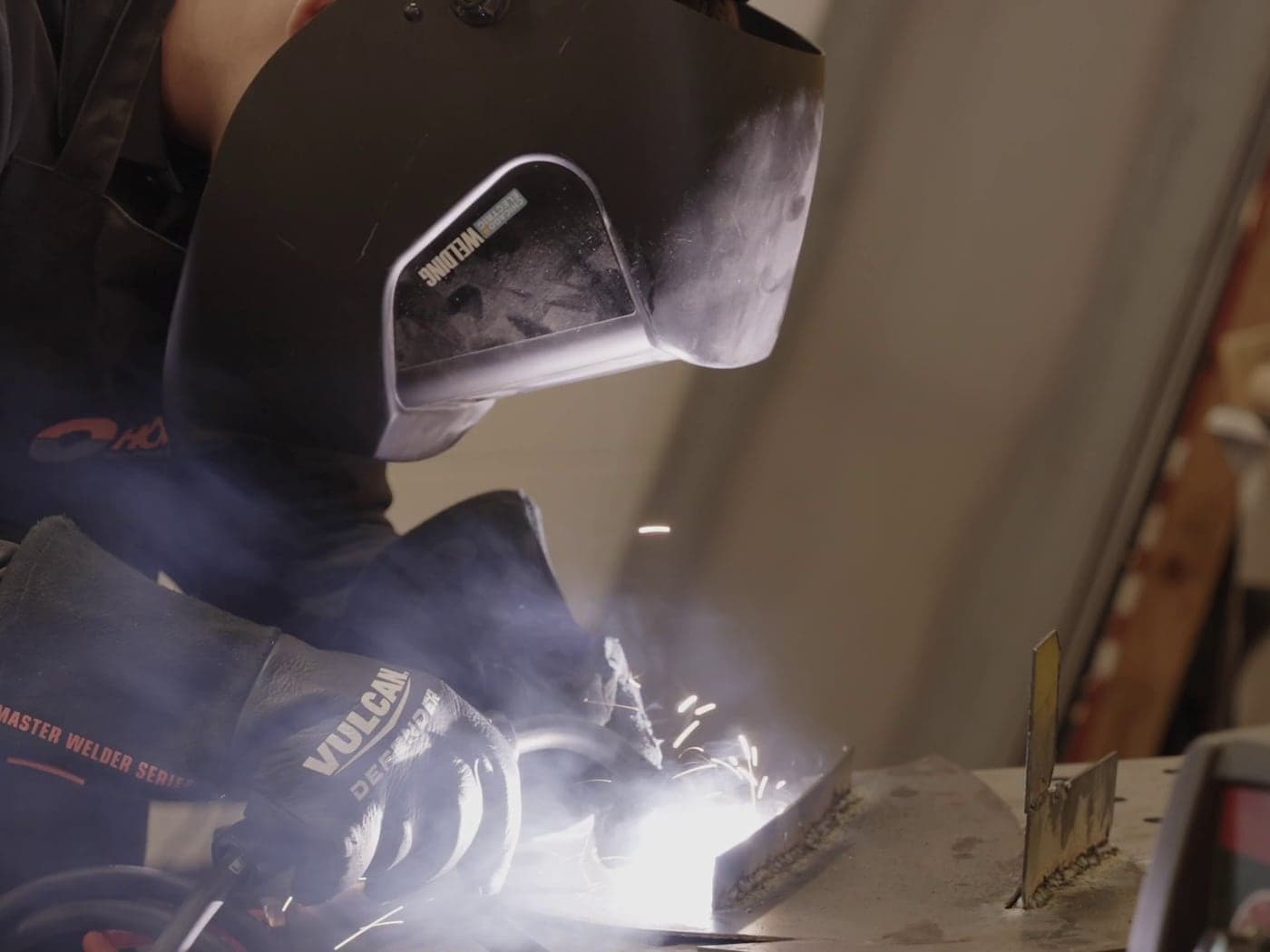
The Fabrication and Welding program is a hands-on advanced manufacturing shop. Students learn to weld, cut, machine, and build real products on industry-grade equipment, using a curriculum engineered by Lincoln Electric. They leave with genuine, in-demand skills for the trades.
- Learn on a U/LINC curriculum engineered by Lincoln Electric
- Weld, cut, and machine on industry-grade equipment
- Build real projects from design to finished product
- Graduate with real, in-demand skills for high-demand trades
Built on a curriculum from Lincoln Electric.
The program runs on U/LINC, a welding and manufacturing curriculum engineered by Lincoln Electric, one of the world's leading welding companies. Students learn the same practices used on real shop floors.

Highland Prep West students learn on the U/LINC student curriculum, the welding and manufacturing coursework Lincoln Electric provides to schools.
What it is
A structured, industry-standard curriculum for welding and manufacturing, written by a company that has been in the trade for over a century.
What you gain
Real, hands-on welding and fabrication skills, learned the way the industry actually works, not just a grade.
Why it matters
Employers and college programs know the Lincoln Electric name, so the training carries weight beyond high school.
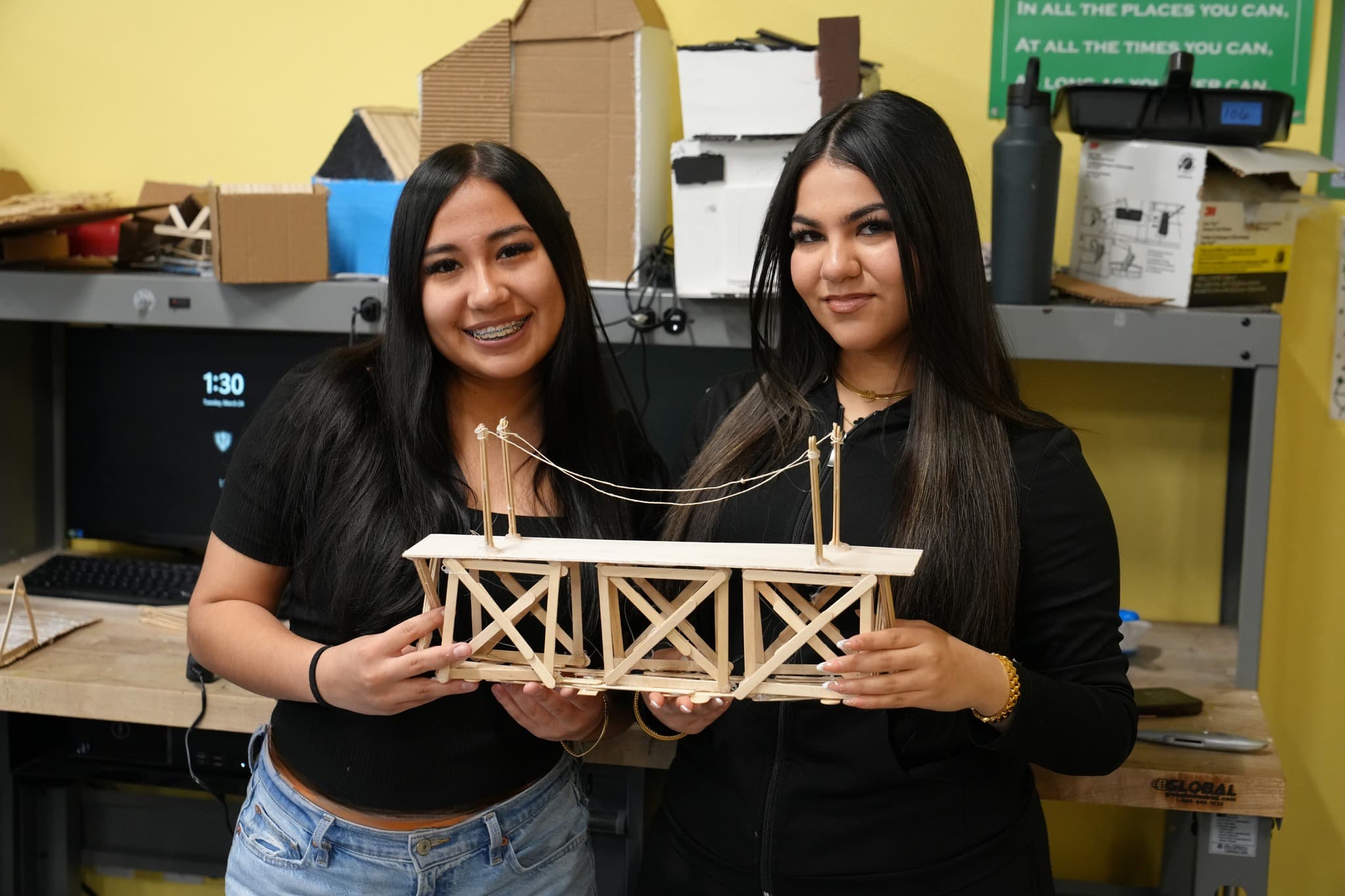
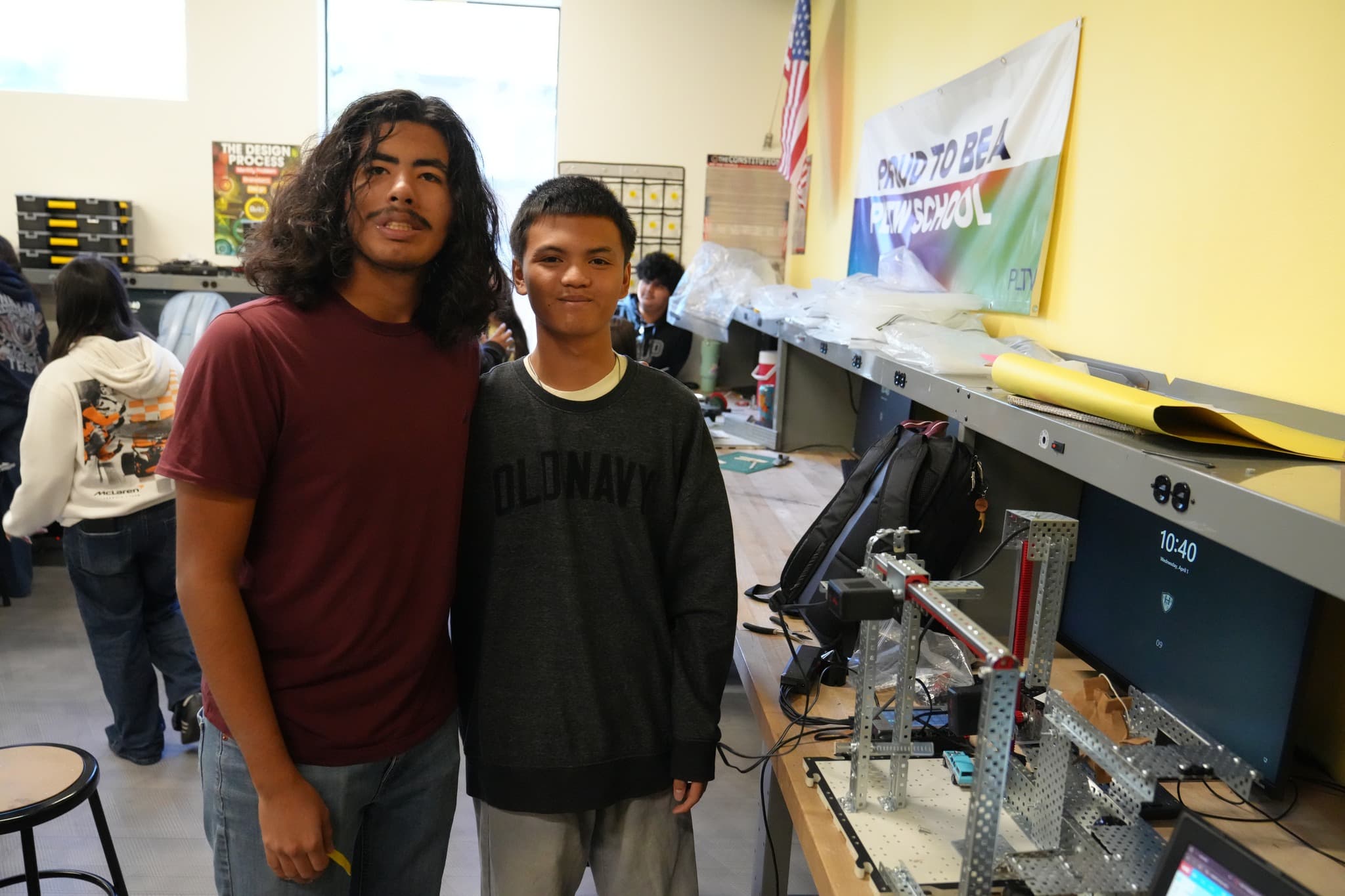
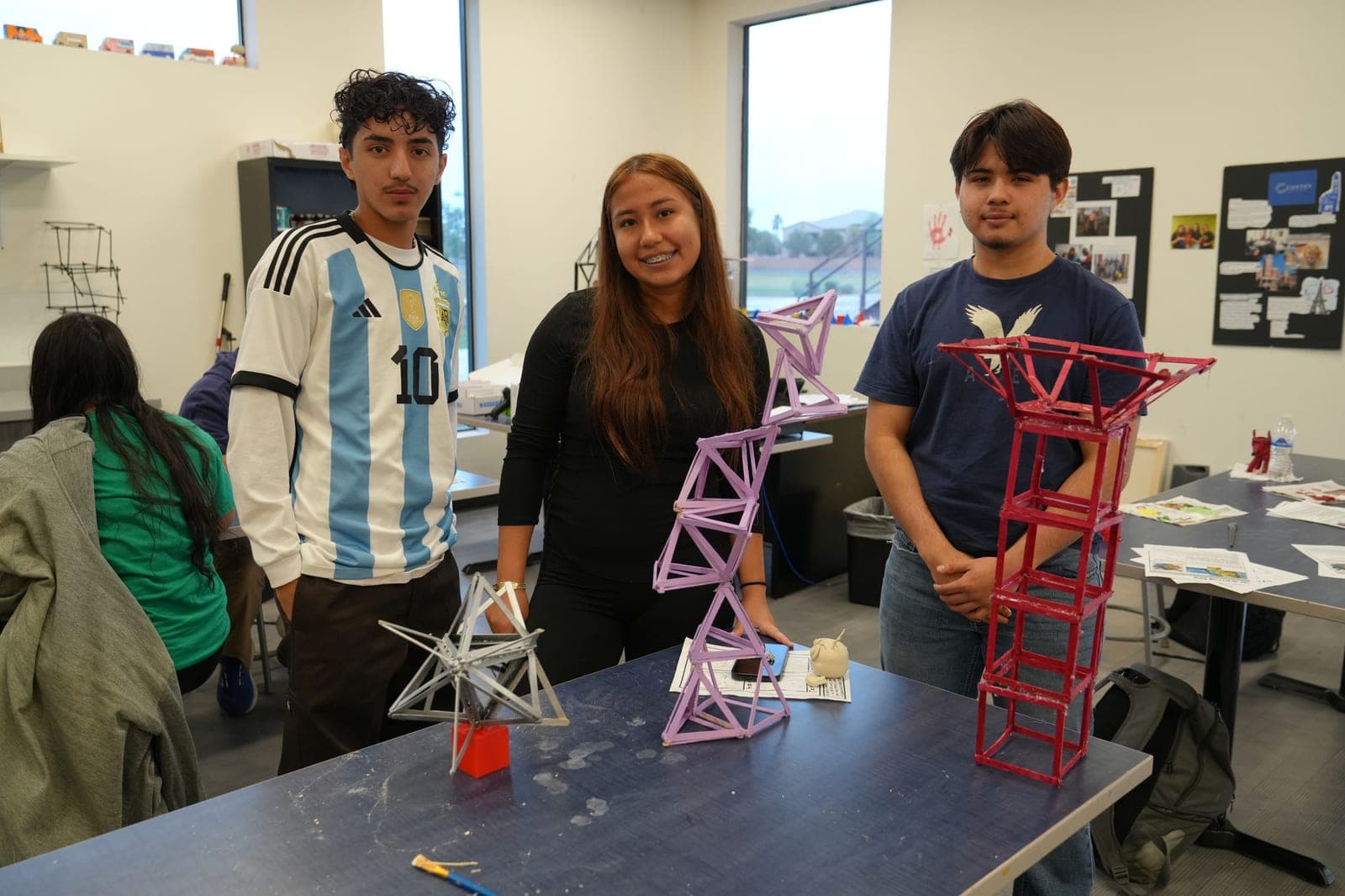
What you’ll build.
Students take projects from design all the way to a finished product they can hold.
The equipment you’ll master.
A working shop stocked with the same tools students will find in industry.
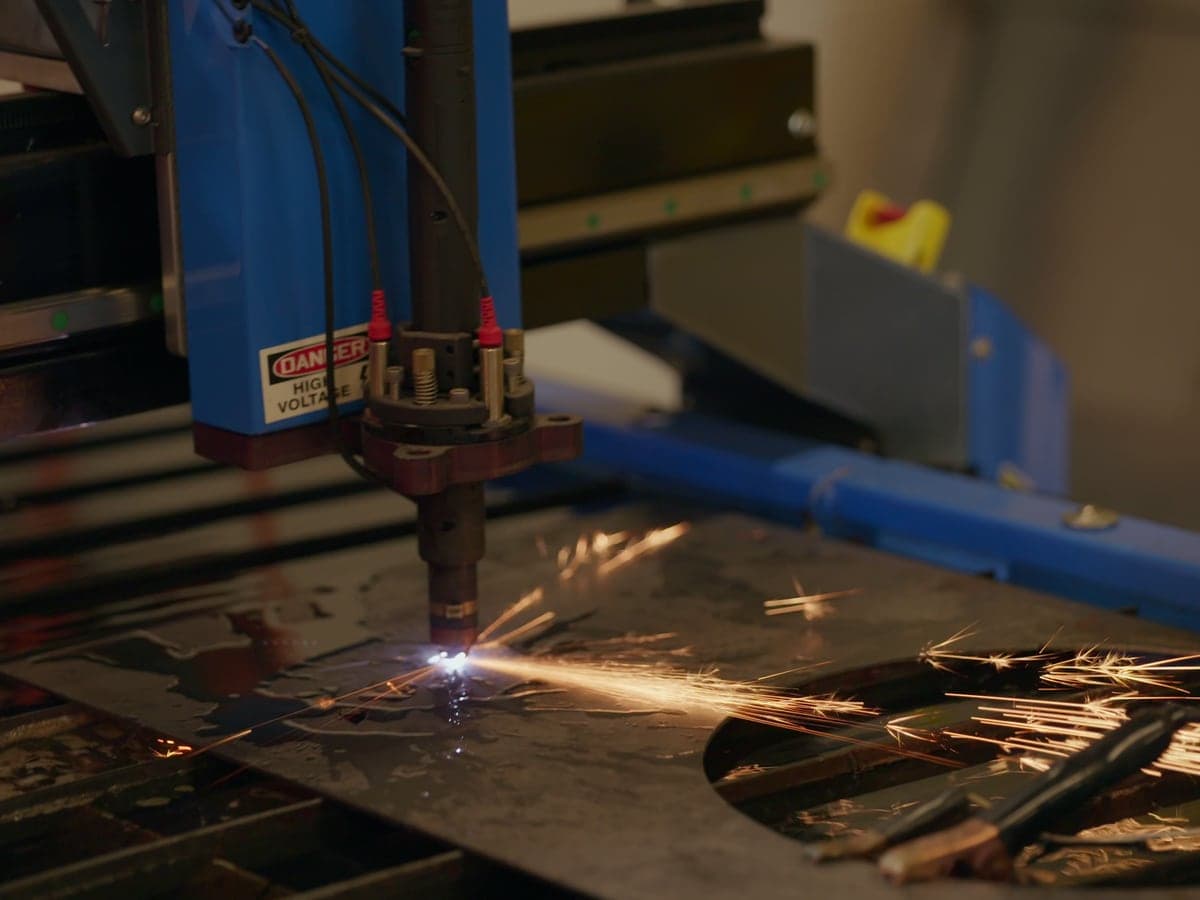
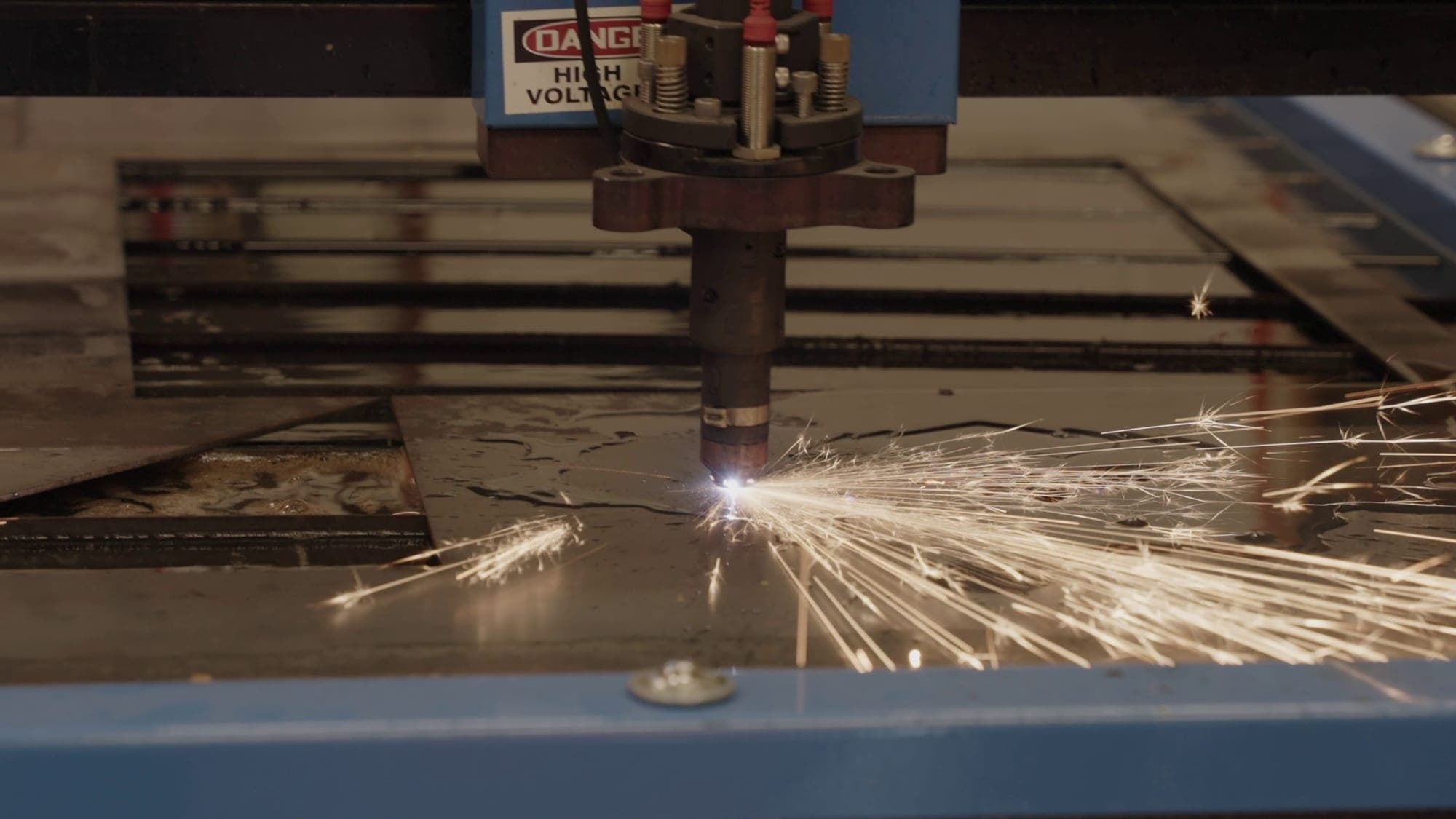
CNC plasma cutter
Cut steel plate to precise, programmed shapes with a computer-guided torch.
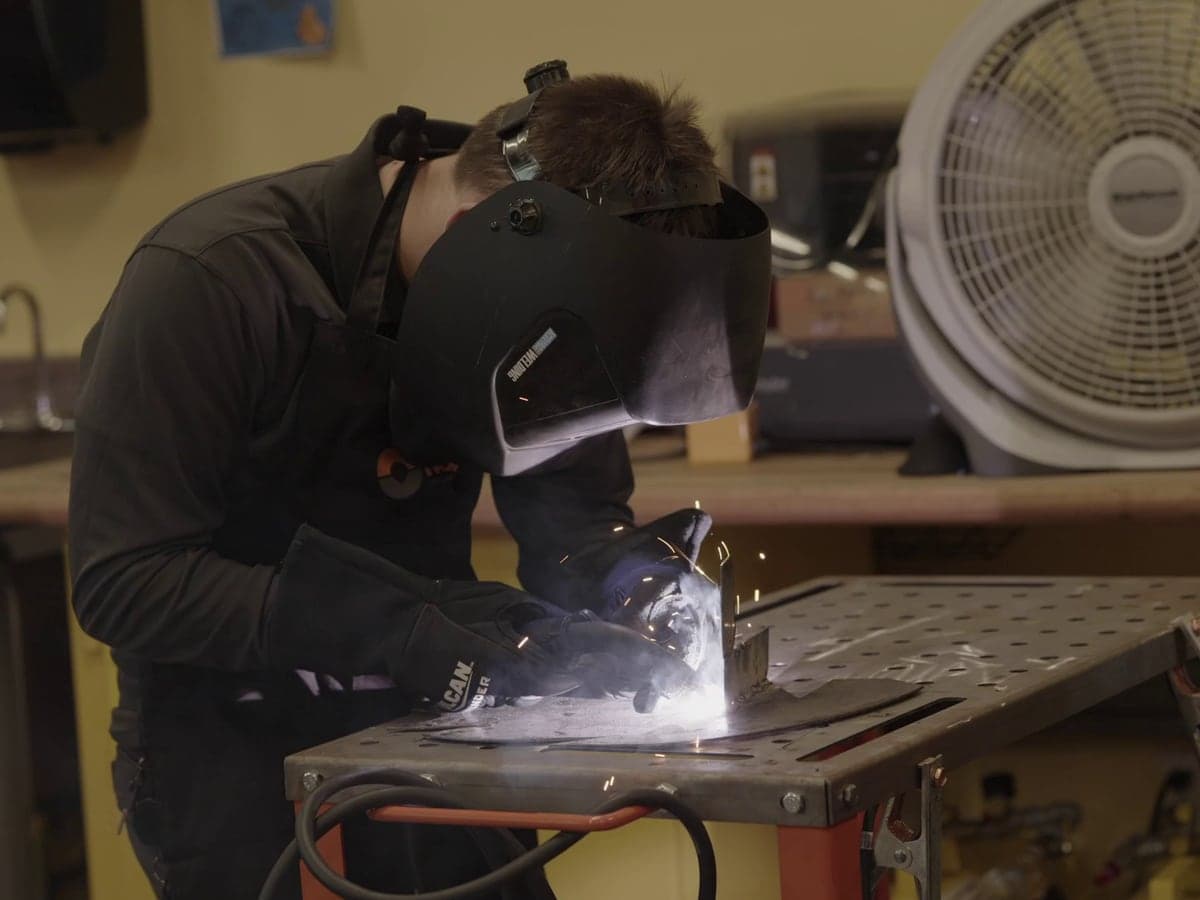
MIG and TIG welders
Join metal with the two most common professional welding processes.
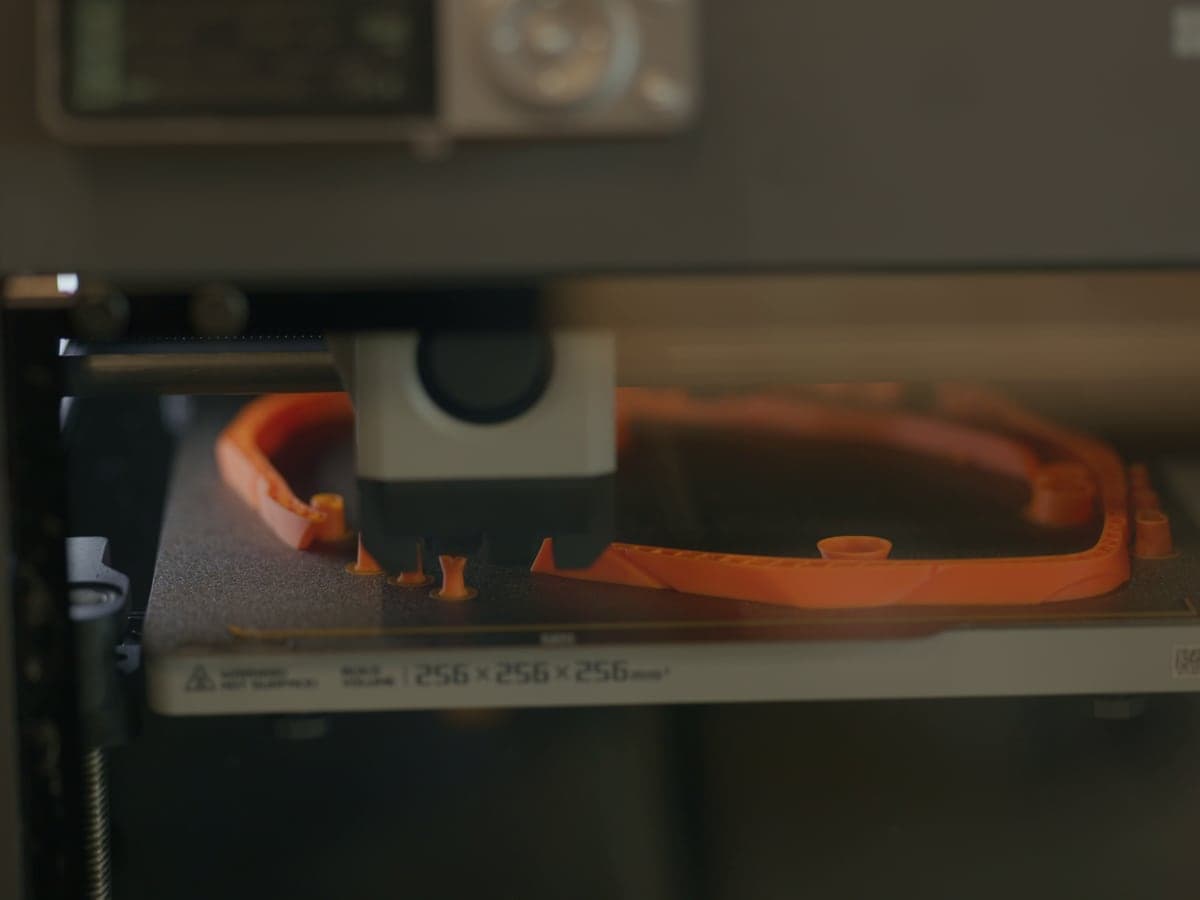
3D printers
Turn a digital model into a physical part through additive manufacturing.
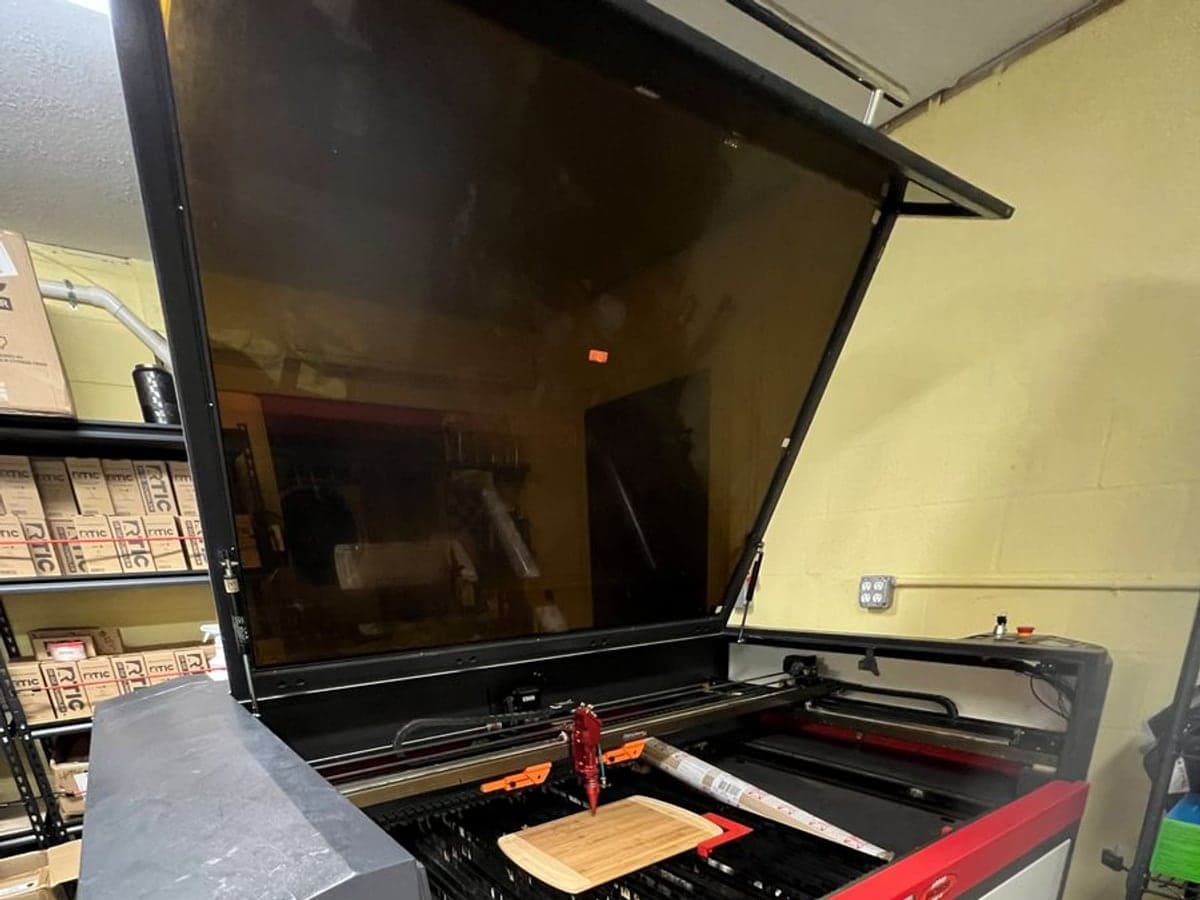
Laser cutter
Cut and engrave clean, detailed parts from sheet material.
The careers this opens up.
These are high-demand skilled trades. Graduates can step straight into the workforce or stack their skills with a college degree.
Welder
Join and cut metal for construction, manufacturing, and repair.
Median pay$51,000Projected growth+2%Machinist
Produce precision metal parts on manual and computer-controlled machines.
Median pay$56,150Projected growth-2%CNC programmer
Write the programs that drive automated machining equipment.
Median pay$65,670Projected growth+7%Mechanical engineer
Design and test machines, tools, and manufacturing systems.
Median pay$102,320Projected growth+9%
Median annual pay (May 2024) and projected 2024 to 2034 employment growth, U.S. Bureau of Labor Statistics. Machinist employment is projected to dip slightly, but tens of thousands of openings a year come from retirements and workers changing fields.
Common questions.
See it in person.
Tour the campus, meet the teachers, and start your student's application.