
Project Lead the Way
Problem-based engineering pathways with college credit built in.
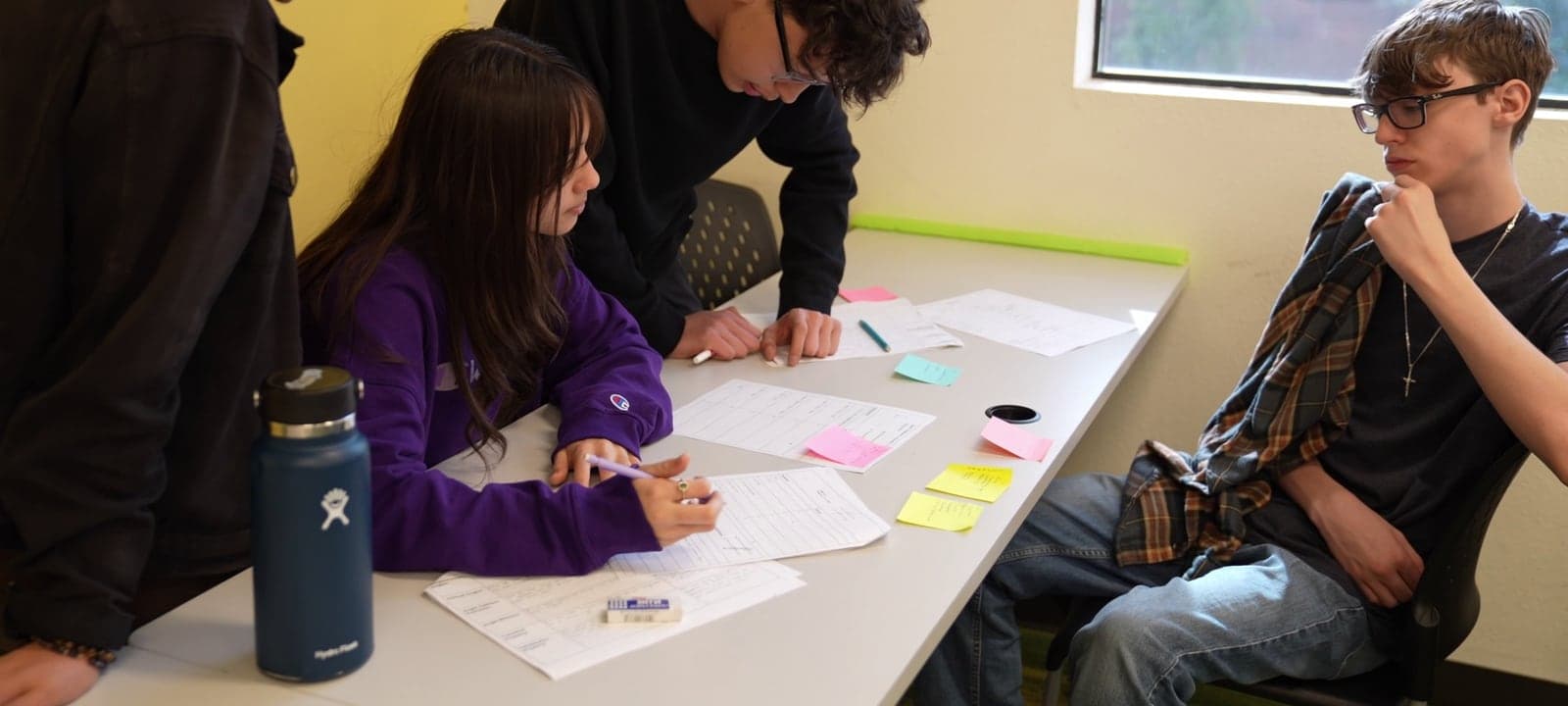
Highland Prep West teaches STEM through Project Lead the Way (PLTW): embedded, problem-based projects where students create, design, build, and solve real problems while applying what they learn in math and science. Students connect with local industry professionals through mentorships, and they earn dual college credit as they move through the engineering pathway.
- Problem-based courses that mirror real engineering practice
- Dual college credit built into the pathway
- Mentorships and real-world projects with local industry professionals
An official Project Lead the Way program, delivering PLTW's national, problem-based engineering curriculum.
Cited by the Harvard Graduate School of Education as a model for 21st-century career and technical education.
What the PLTW pathway makes possible.
Nationally, PLTW students pursue college and STEM at far higher rates than their peers.
Seniors who intend to pursue a four-year degree or higher
Seniors who plan to study engineering, technology, or computer science
the rate at which PLTW alumni go on to study engineering and technology in college, compared with other students.
The engineering courses.
Students take three of these courses to meet the graduation requirement. Some courses have prerequisites, so your counselor helps you plan the right sequence.
- IEDIntroduction to Engineering Design
- POEPrinciples of Engineering
- CEACivil Engineering & Architecture
- AEAerospace Engineering
- DEDigital Electronics
- EDDEngineering Design & Development
- CSCCybersecurity
- AP CSPAP Computer Science Principles
- AIPrinciples of AI
- PBSPrinciples of Biomedical Science
Real projects, real skills.
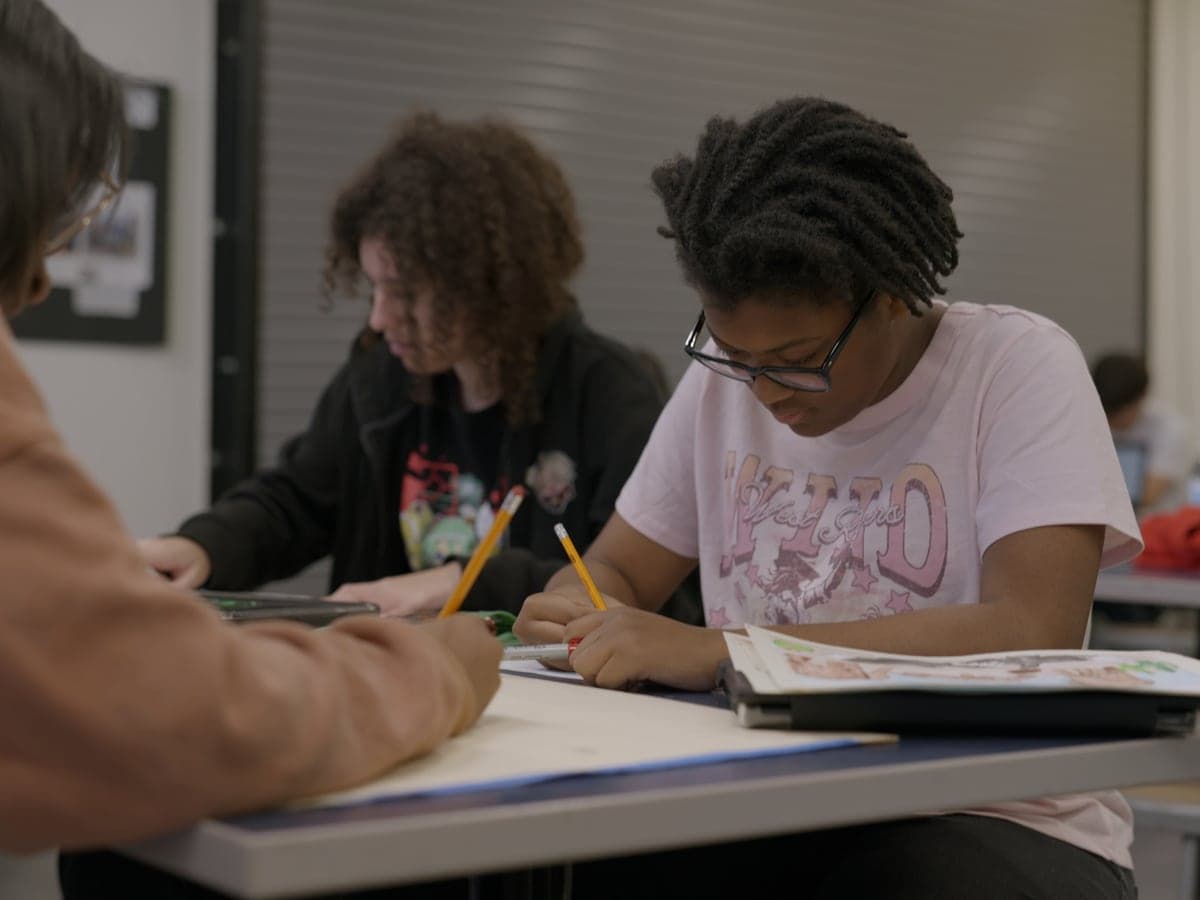
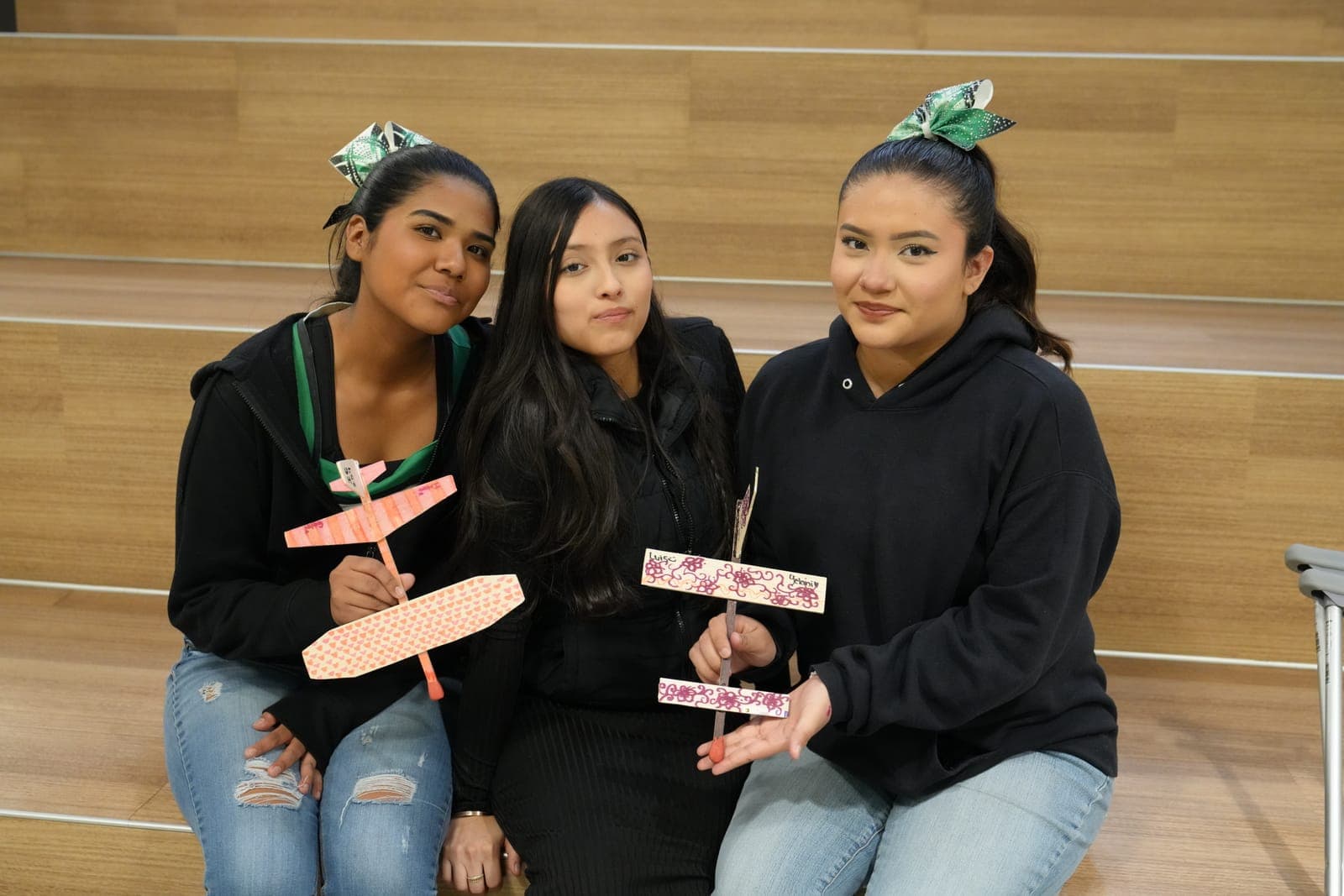
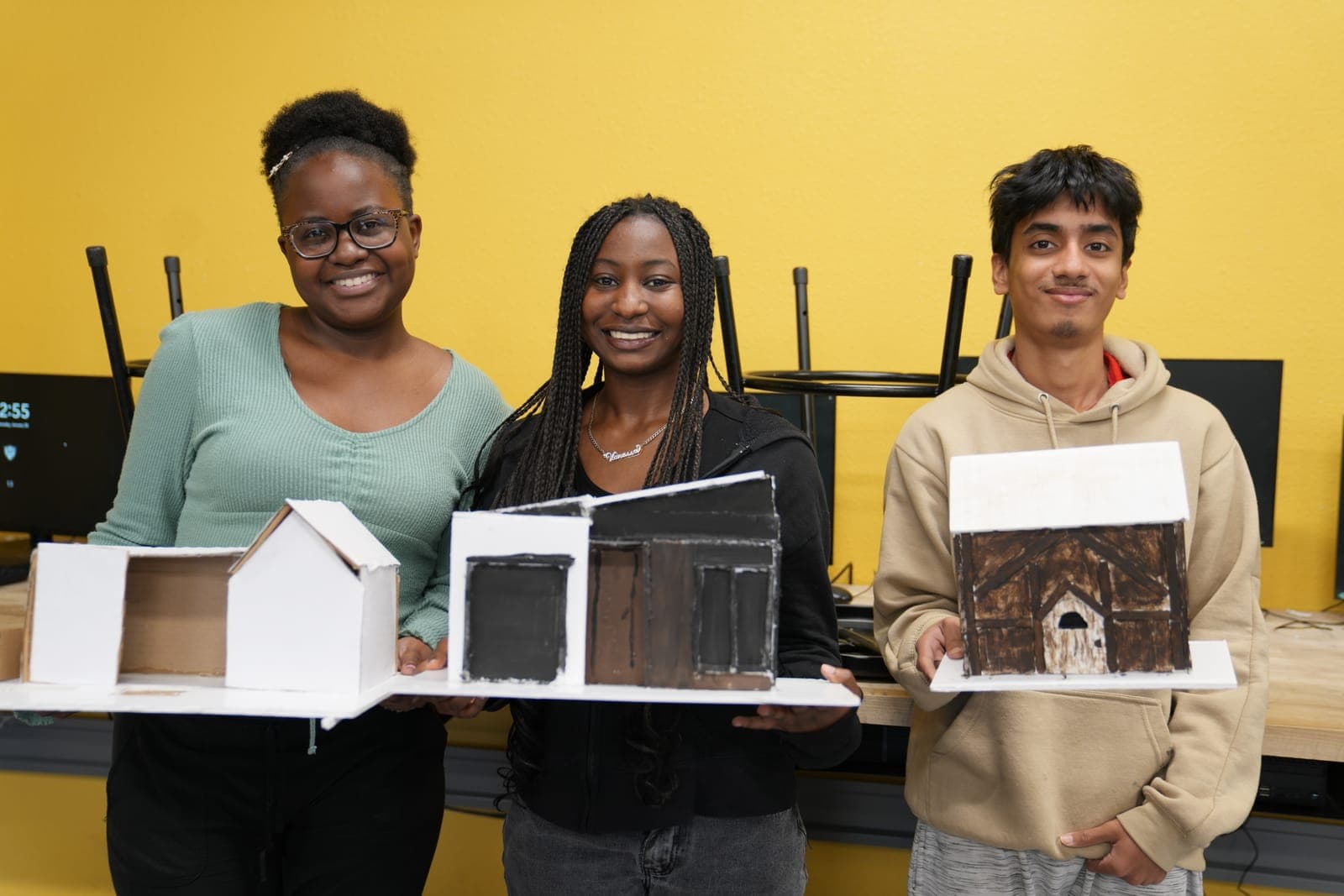
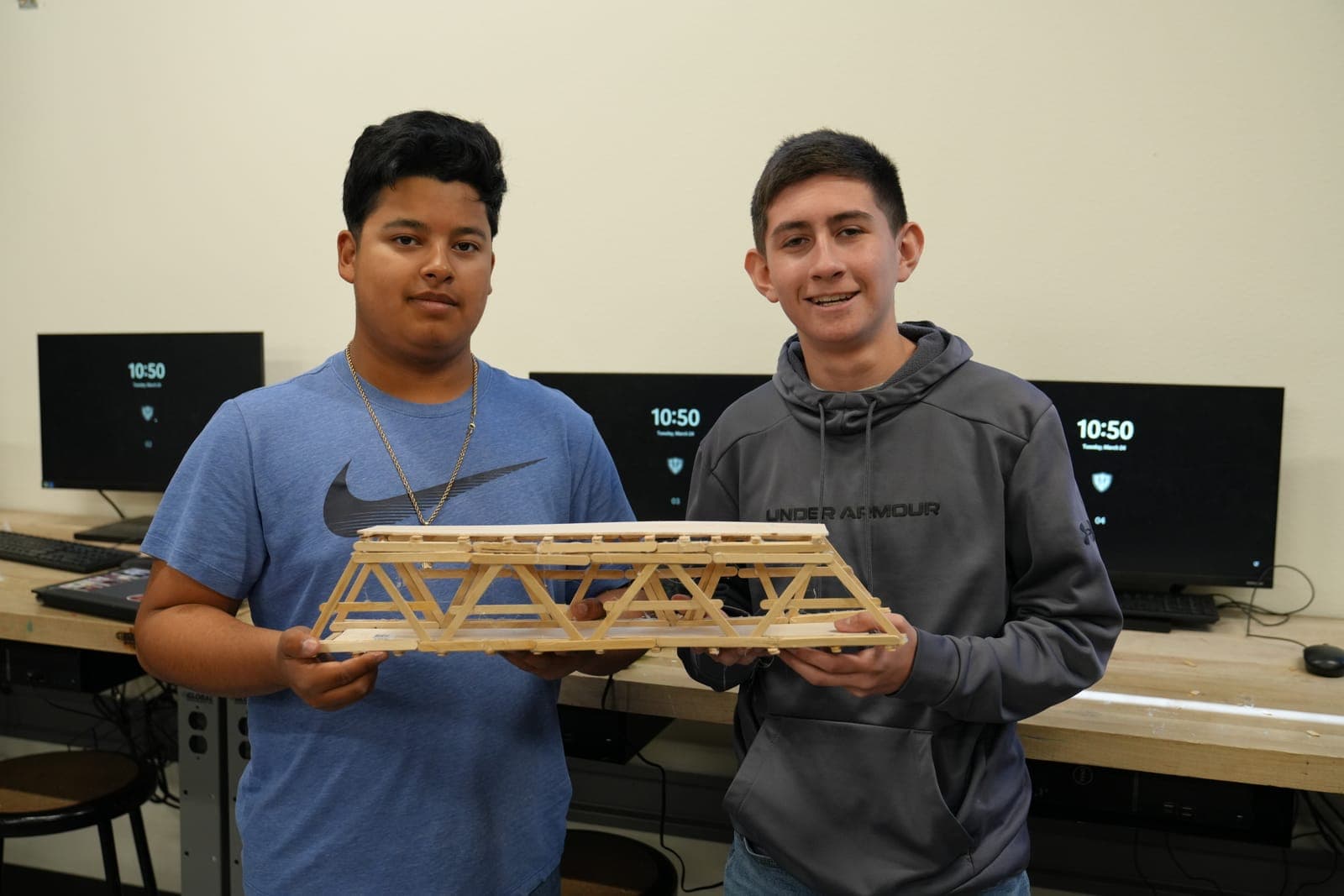
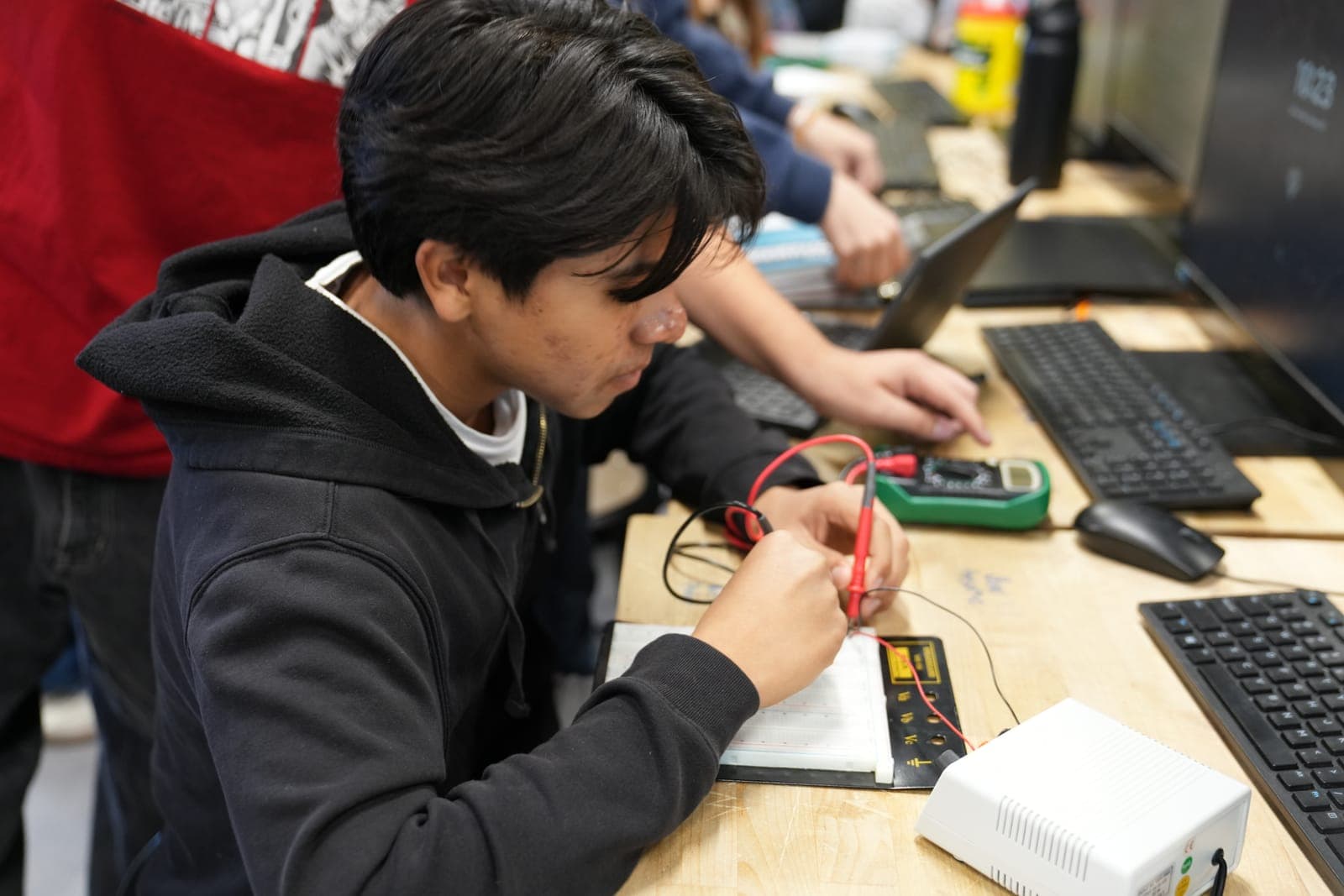
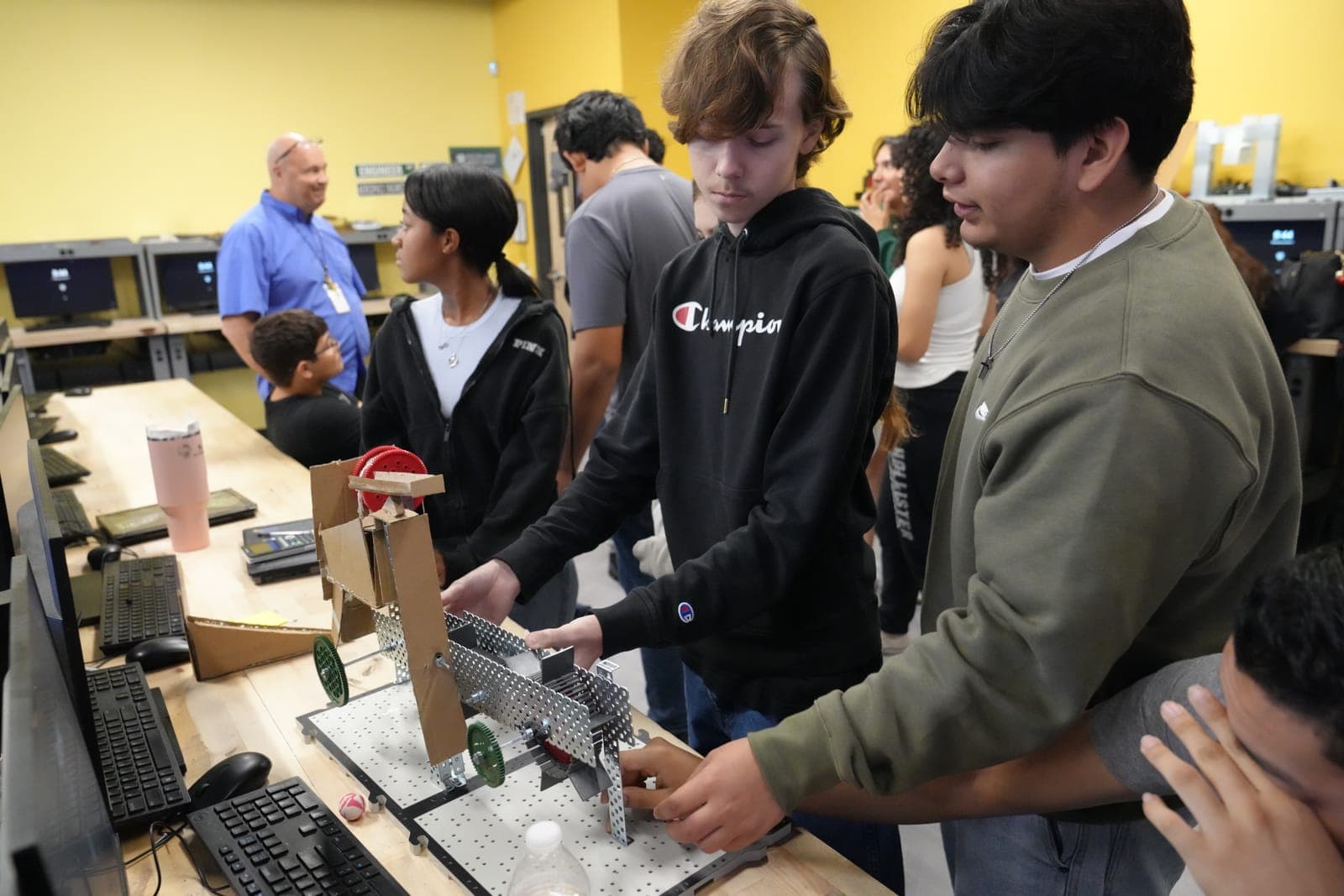
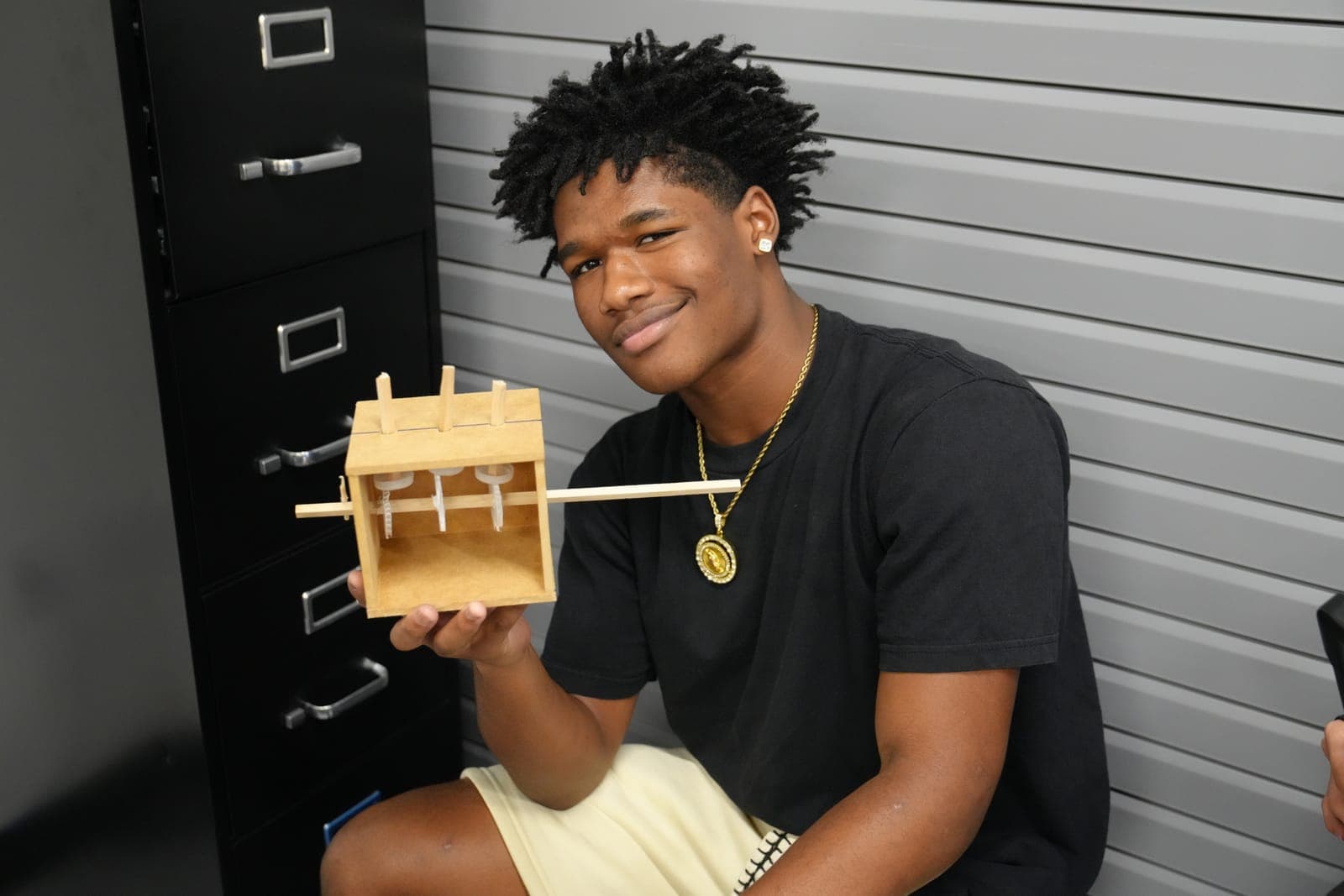
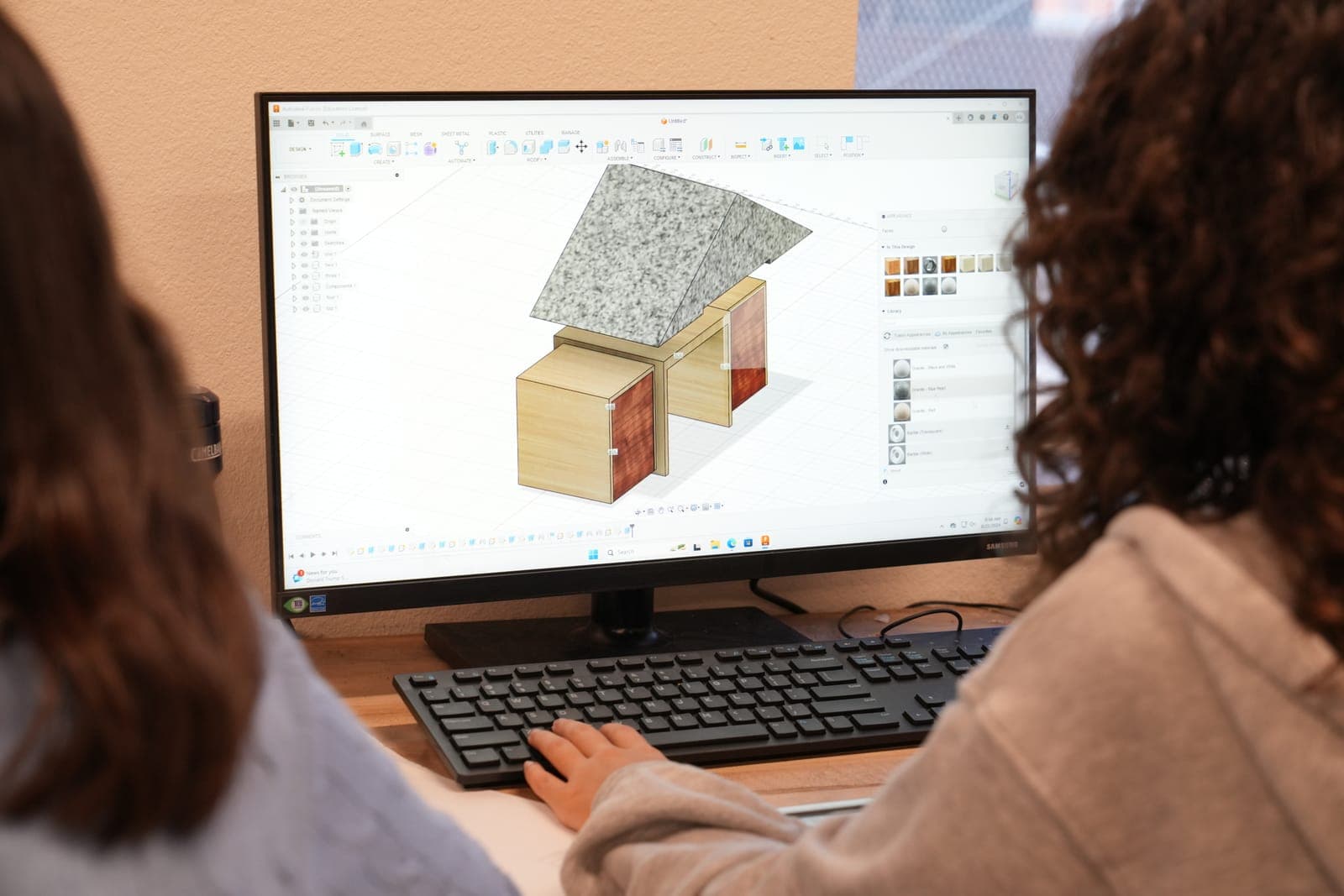
Students design, build, and test across the pathway, and leave with a portfolio of real work.
Credit that travels with you.
As students move through the engineering pathway, they can earn college credit for PLTW courses, so they arrive at college already ahead and can go deeper, sooner. Credit is earned by meeting the course and assessment requirements, not by paying separate tuition.
Ask your counselor about the current credit agreement and what transfers to your college.
Learning from industry.
Students connect with professionals from local industries through mentorships and workplace-style projects, so classroom engineering meets the real world.
Related programs.
Aviation Academy
Our Aerospace Engineering course overlaps with the Aviation Academy, a strong path for students drawn to flight.
Explore →Robotics
Take engineering further with VEX, drones, underwater ROVs, and satellite coding.
Explore →Fabrication & Welding
Turn engineering designs into real parts in the fabrication shop.
Explore →Common questions.
See it in person.
Tour the campus, meet the teachers, and start your student's application.